Where does the waste we produce go?

Have you ever wondered where the waste we produce every day goes?
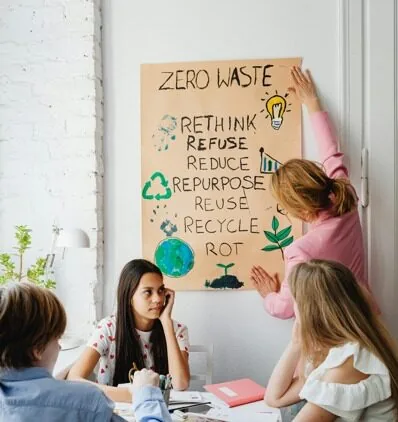
It is essential to reflect on the path our waste takes and to understand the importance of proper management to protect the environment. After all, poor waste management can lead to climate change, environmental pollution, public health problems, and more.
In this article, we explore the different types of waste, such as recyclables, organic waste, and non-recyclable waste, and the management treatments that exist. That way, you will know how to separate your waste and can ensure it reaches the right destination.
Do you know where your waste goes?
In a society increasingly aware of environmental preservation, each of us must do our part. Reflecting on where the waste we produce ends up is the first step toward changing habits.
- Do you know where your waste goes?
- What is its impact on the environment?
- Is everything you throw away really waste?
These are important questions we should ask ourselves.
The first step to understanding which path your waste should take is to understand what type of material you are dealing with. Only then can you tell which disposal category it belongs to.
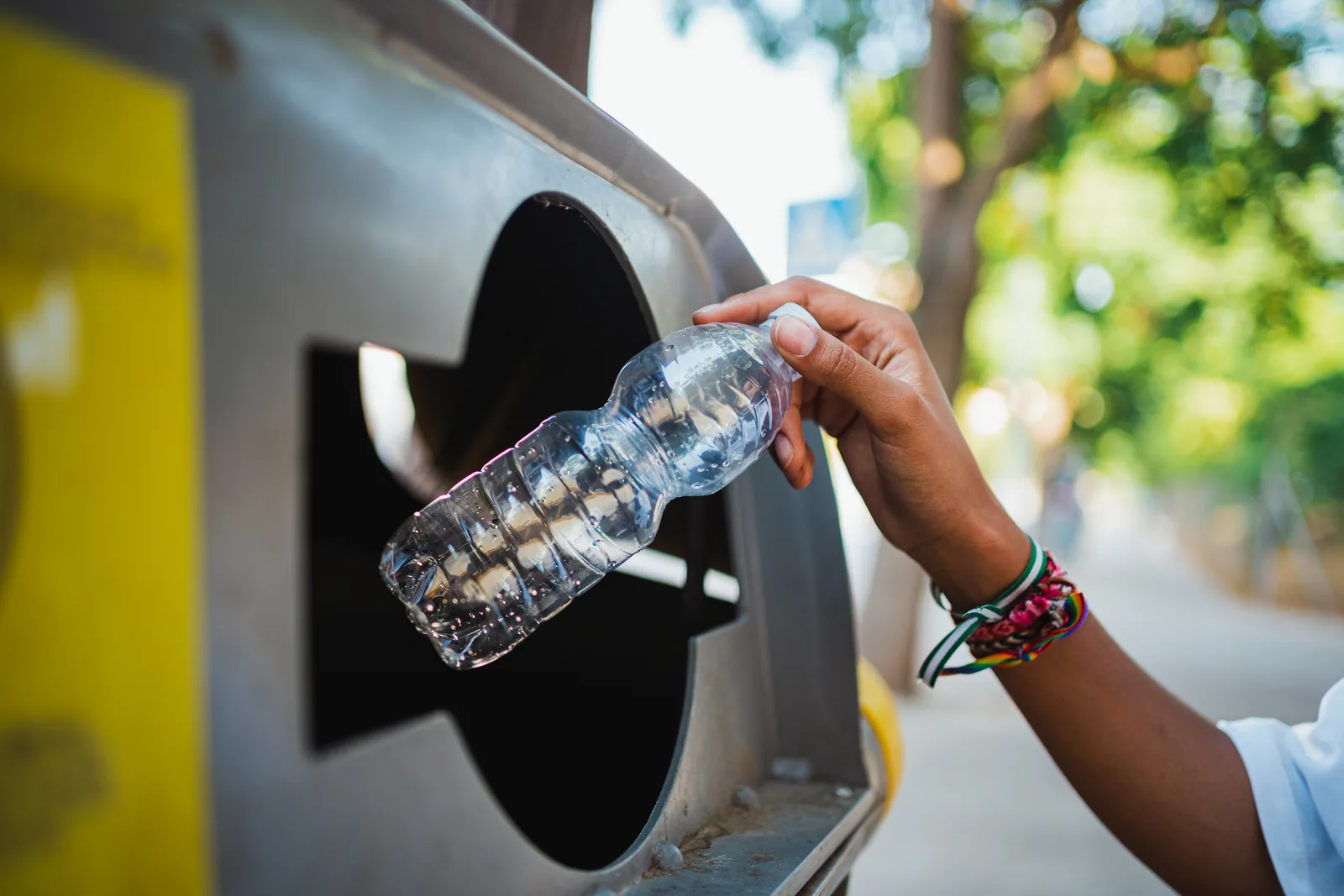
We can separate our waste into recyclables, non-recyclable waste, and organic waste. Check out what each one is below! 👇🏻
Recyclable waste can be turned into new products through recycling processes. These materials include paper, plastic, metal, and glass. When we separate them correctly, we help reduce pollution, the volume of waste, and the exploitation of natural resources.
Non-recyclable waste cannot be recycled or reused. These are usually materials with no economic or technological value for recycling. They go to landfills, where they undergo controlled final disposal. Reducing the generation of non-recyclable waste is one of the main goals of waste management, because it has a major environmental impact.
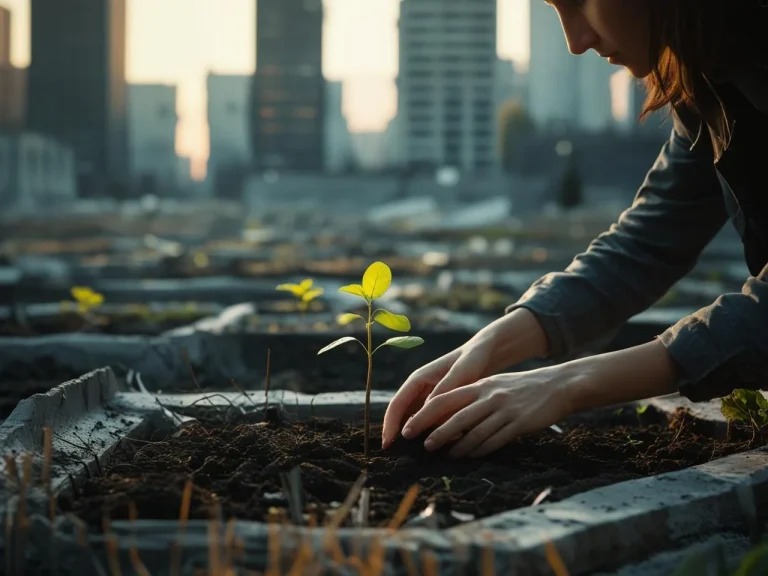
Organic waste consists of materials of biological origin, such as food scraps, fruit and vegetable peels, leaves, and more. This waste can be turned into organic fertilizer through composting. Composting is a sustainable technique that recycles this waste into a product used to fertilize soil, supporting agriculture and gardening.
By sending organic waste to the right destination, we reduce the amount of material sent to landfills, prevent contamination, and promote a closed loop in which we naturally return to the soil what it once provided. Separating and properly disposing of this material is extremely important because, according to >CEPAGRO, it currently makes up about 50% of the household waste produced every day.
And did you know that this is exactly what Reatto does?
With our technology, we carry out the composting process, reducing the volume sent to landfills and creating a sustainable chain between organic waste producers and farmers. In this way, we put into practice the closed-loop concept that benefits our planet so much.
Just as important as knowing how to separate your waste is treating it efficiently. To do that, once each material is sent to the right place, it should go through a process that delivers the best financial return and, above all, has the lowest possible impact on the environment.
Some of the main waste management treatments that aim to minimize environmental impact and promote sustainability are:
- Prevention
- Recycling:
- Composting
- Incineration
- Sanitary landfills
Besides disposing of waste in the right places and encouraging its management, it is also very important to understand how to minimize its production. After all, no waste management, however well executed, can avoid affecting the environment entirely. Among the damage caused to our ecosystem by the large volumes of trash produced every day are soil contamination and greenhouse gas emissions from the transport and decomposition of waste.
Still have questions? Just leave a comment on this post and we will help you!
Follow us on >social media and check out more great content we regularly share about the environment, composting, business and sustainable partnerships.