The 7 habit transformers
A guide to a sustainable future
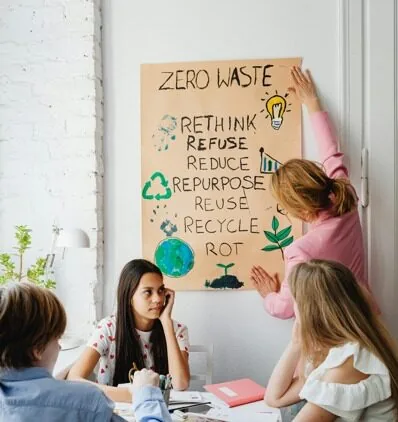
The idea of the famous 7 R's started much smaller than what we know today. In the 1970s and 1980s, concern about pollution brought up the first three:
- Reduce unnecessary consumption;
- Reuse products as much as possible;
- Recycle materials to prevent resource depletion.
Over time — and especially after Rio-92 (the United Nations Conference on Environment and Development), which consolidated the concept of sustainable development — the list grew, gaining four new perspectives:
- Rethink our consumption patterns;
- Refuse harmful products, such as plastic disposables;
- Repair to extend the useful life of objects;
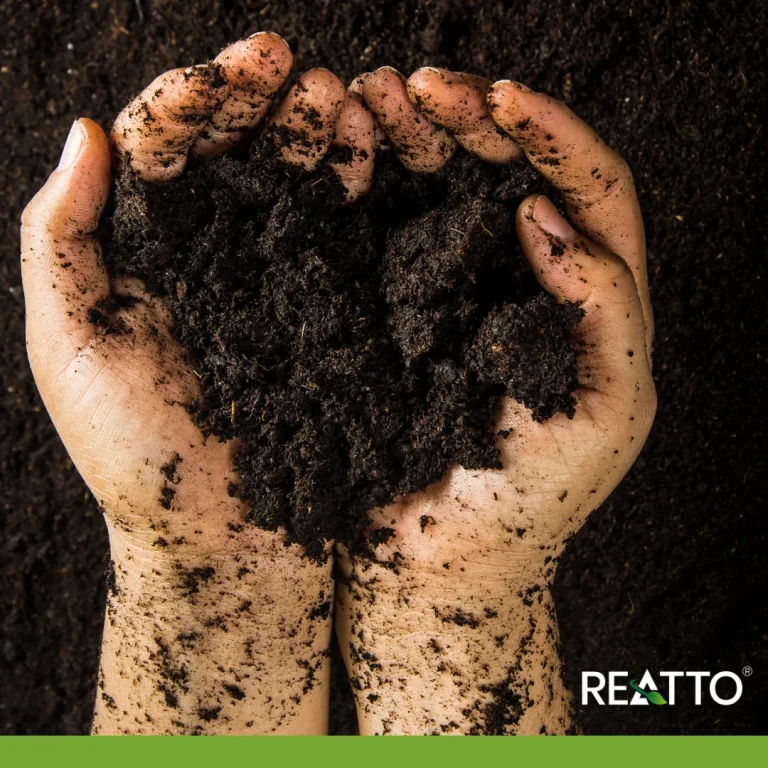
- Reintegrate waste into nature, as in composting.
The conference not only reinforced the original 3 R's, but also paved the way for concepts such as circular economy and ESG goals.
Today, the 7 R's are a practical tool to align everyday habits with major environmental challenges and to spread important information about the difficulties the planet is facing.
The 7 R's and food waste
Did you know that 30% of all food produced in the world is wasted? This FAO figure (2011) shows the size of the problem: while millions go hungry, tons of food end up in the trash. Brazil, one of the world's largest food producers, is no different. Losses happen at every stage: harvest, transport, storage, retail, and even inside homes. The result? According to IBGE (2024), about 21 million Brazilian households face food insecurity.
The truth is that if the food wasted globally were properly reused, it would be possible to feed twice the number of people who live in hunger today. Reducing this waste requires food education, shopping planning, full use of food, and, of course, awareness that wasting food also means wasting water, energy, and land.
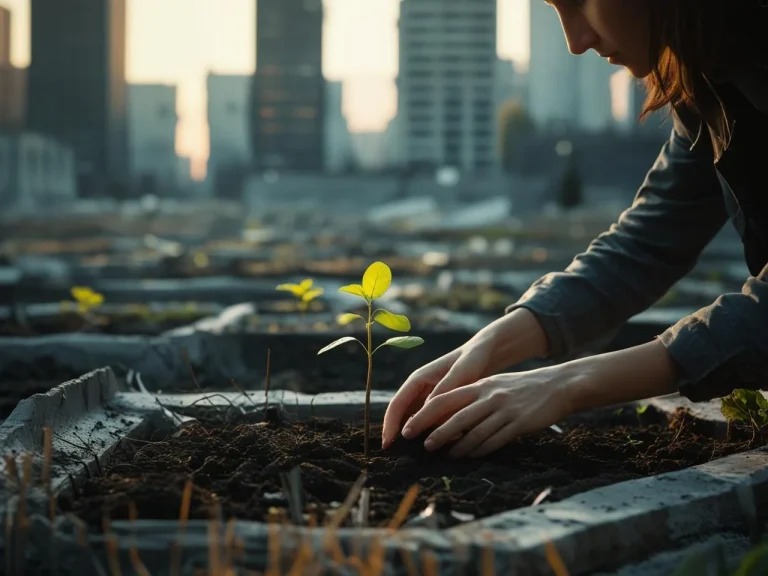
Organic waste treated the right way can return nutrients to the soil and avoid methane emissions, a gas far more potent than CO₂ in global warming.
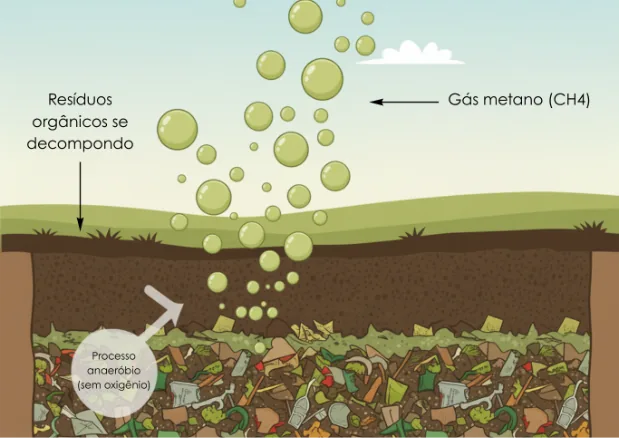
This is where innovation comes in: technologies like that of Reatto Ambiental make it possible to treat this waste at the source, turning a problem into a resource — from natural fertilizer to carbon credits.
In short, fighting food waste is a collective mission. More than putting food on everyone's table, it is a step toward promoting sustainability, preserving resources, and building a fairer society. Because tomorrow starts with today's choices.
A commitment that crosses boundaries
Beyond organic waste, the R's can help transform many scenarios, and plastic is one of them. Items such as straws, cups, cutlery, and bags, designed to be thrown away after a single use, contribute massively to the pollution of oceans, rivers, and soil.
By refusing single-use materials and choosing reusable, durable alternatives, such as glass or aluminum water bottles, cloth bags, and metal containers, we help reduce demand for these disposables and contribute to a cleaner future, guided by the 7 principles presented in this text.
Want to go deeper into this topic and discover other content that connects you with the future of sustainability? Click the link below and explore our free app!
>https://app.reattoambiental.com 🤳🏻 🌱 📖
Dive into a world of sustainable information!