Soil potential and its overuse
How can we prevent the depletion of such a rich resource?
Have you ever stopped to think that, while we rush from place to place, the soil is right there, strong and steady, holding things together — literally? That's right! With population growth and the excessive use of natural resources, the planet is feeling the weight. The good news? There is still time to turn this around!
We need to rethink our habits and put nature at the center of our daily decisions. And in this mission, there is a protagonist that often goes unnoticed: the soil!
When the soil is healthy, everything around it thrives: food production improves, biodiversity grows, and even the climate benefits. It may not look like it, but it does much more than get our shoes dirty. Here is what it can do:
- Thermal regulation ♨: the soil absorbs and stores heat, helping balance the temperature of the environment.
- Air humidity control 🌬: it influences water evaporation and helps keep the climate stable.
- Natural filter: rainwater passes through the soil, which acts as a filter, removing impurities before the water reaches rivers.
- Underground water tank: its porosity allows it to store water for plants and even helps prevent floods!
- Carbon hunter: the soil captures CO₂ and helps reduce greenhouse gases. Isn't that a climate hero?
But like every hero, it also has its weak points. When we mistreat the soil — through deforestation, excessive use of pesticides, or uncontrolled planting — it loses strength. The FAO, the UN agency for food and agriculture, has already warned that one third of the world's soils are degraded. This affects food production, biodiversity, and the health of the planet. 😓
So, what can we do to help the soil and, along the way, the environment? Here are a few golden tips:
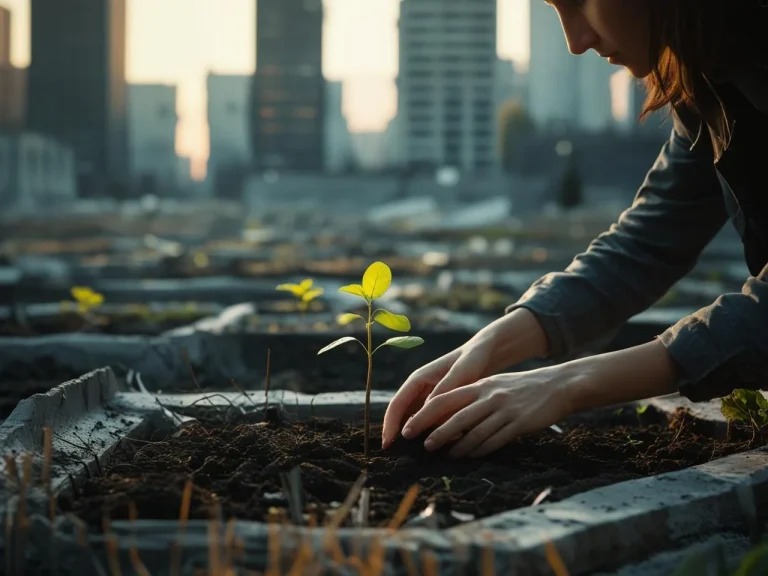
- Vegetation cover 🌿: plants protect the soil from erosion and retain moisture. Encourage green squares and urban gardens in your neighborhood!
- Permeable areas 🌧: value spaces where the soil can breathe and absorb water — such as squares, gardens, and ecological sidewalks.
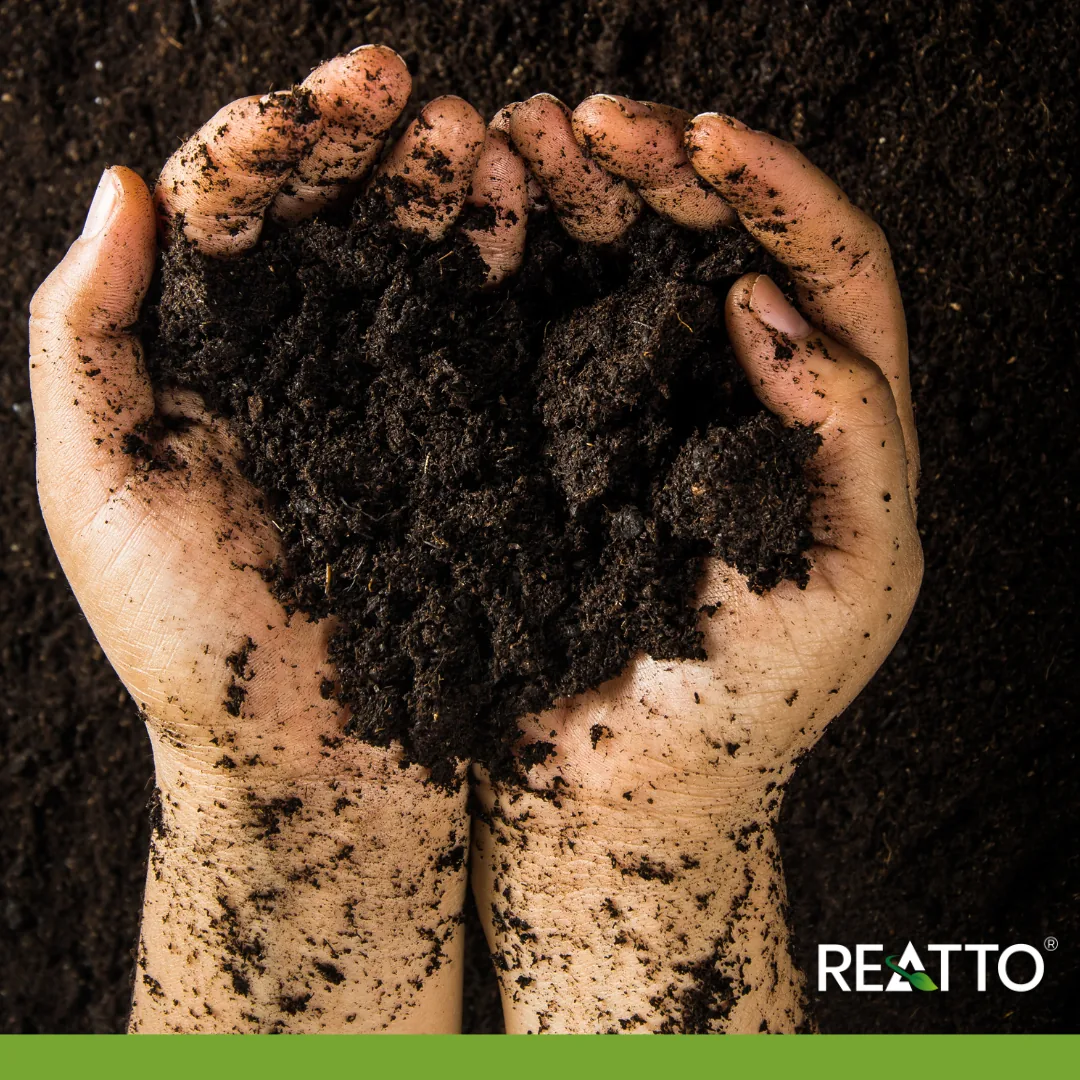
- Organic fertilization 🌱: let's use organic waste instead of chemical fertilizers. The soil can reuse what it produces itself!
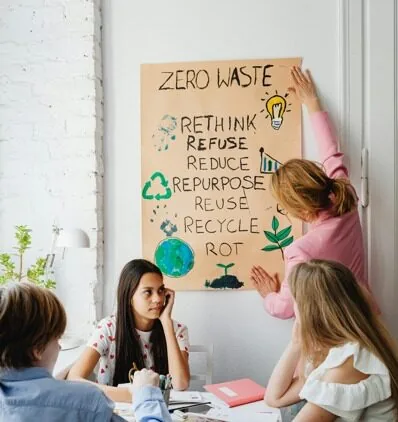
The reuse cycle that happens in the soil is a perfect example of the circular economy! Instead of extracting, using, and discarding, the circular economy proposes giving materials a new life, reducing waste and closing the resource loop.
Much of what the soil needs to sustain itself comes from the very waste we produce. When we use organic waste as fertilizer, for example, we put this concept into practice, helping nature keep its intelligent, sustainable rhythm and the soil keep its strength. Nature knows how to recycle itself — it's us who need to relearn from it. 🌎♻
References
COIMBRA MARTINS, Gilvan; BRASIL, Adriane; PERIN, Rogério; PINTO, Willer; PINTO, Mônica; WESTPHAL MUNIZ, Aleksander; GERALDES TEIXEIRA, Wenceslau. Estoque de Carbono em Terra Preta do Índio no Município de Iranduba-AM. Reunião Brasileira de Manejo e Conservação do Solo e Água, Lages/SC, p. 1-4, Aug. 3, 2012.
EFE. FAO dice que el 33% de suelo del mundo sufre erosión. Los Tiempos, Cochabamba – Bolivia, Oct. 27, 2017.