A new culture for handling organic waste starts inside the building.
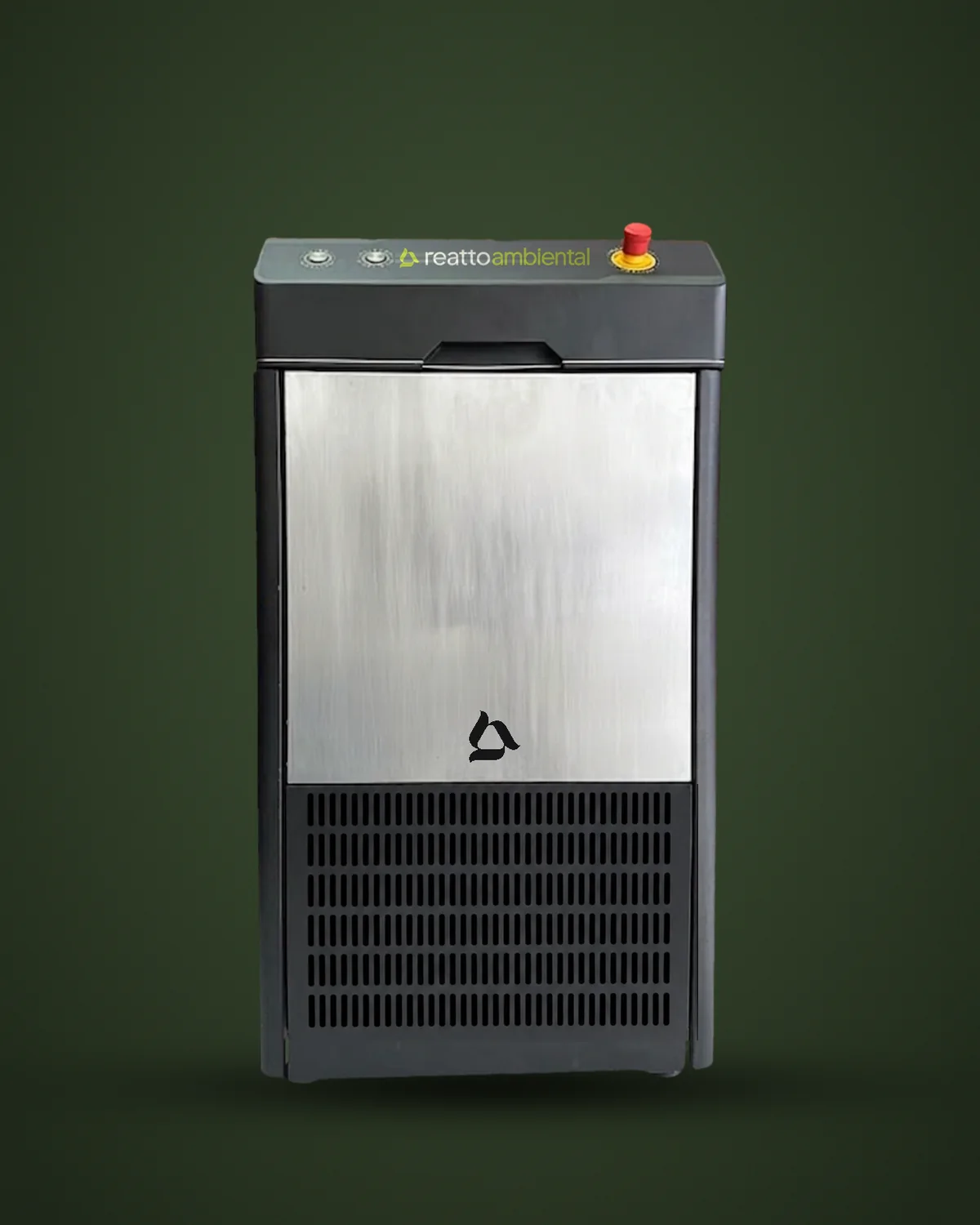
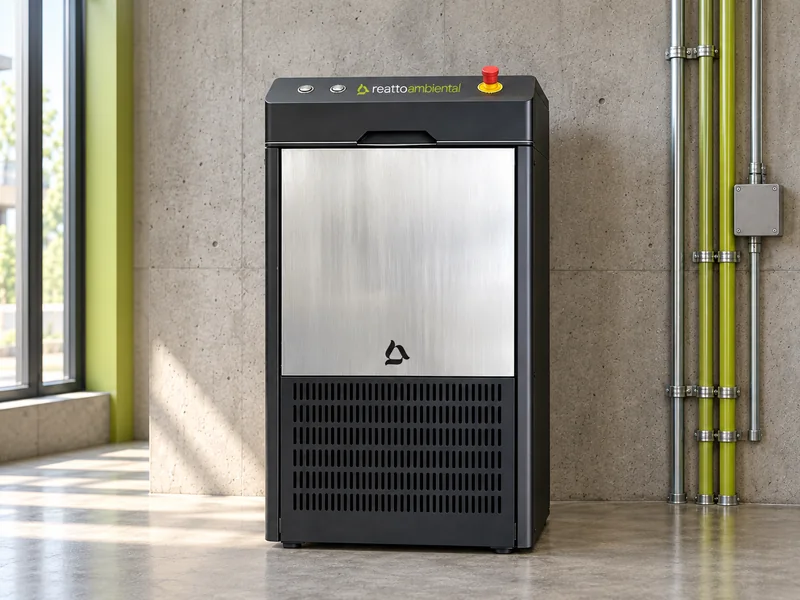
Reatto created a Brazilian technology that treats food scraps where they are generated: it provides a controlled reduction of volume and returns a substrate that becomes fertilizer, with data on everything that happened.
Almost half of what a building discards is pure nutrient
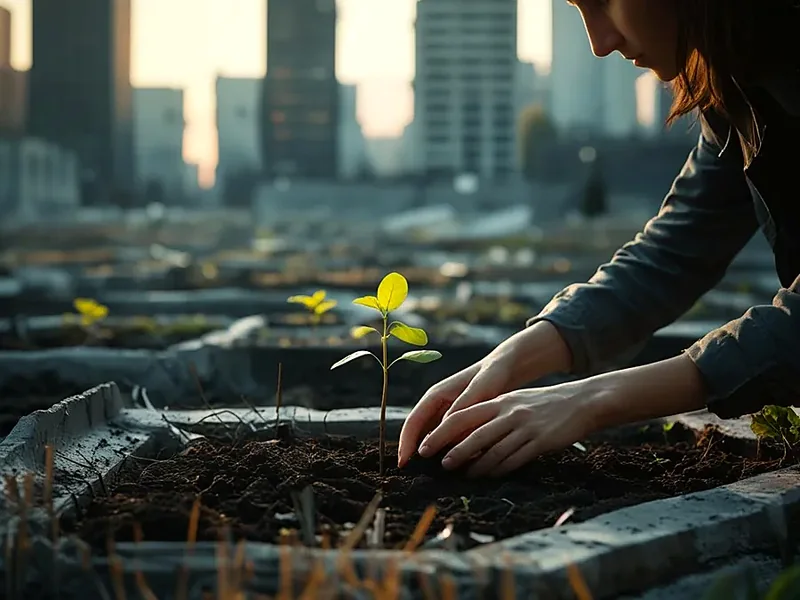
In a landfill, organic waste turns into methane. Treated in the building, it goes back to nourishing the soil. A single unit avoids each year the methane that 16 trees would take 20 years to absorb.
Less service area set aside for waste bins
No more bad odor or attraction of insects and pests
Waste treated where it's generated
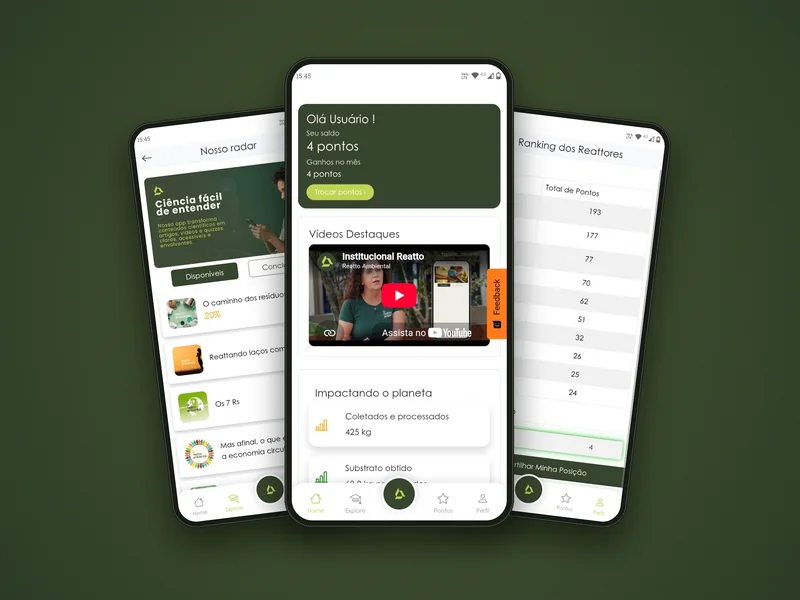
Figures updated monthly by Reatto.
how it works
It's not a unit. It's an ecosystem.
Three pillars, one solution, from city to countryside.
In Florianópolis, SC (Brazil), taking care of organic waste is no longer optional.
Law 10,501/2019 requires condominiums to treat organic waste and bans sending it to landfill.
Curitiba already requires a selective collection area in new construction
São Paulo treats condominiums above 1,000 L/day as large generators
The goal is already set. Which solution will your development adopt?
90%
of organic waste diverted from landfill by 2030 — the goal of Law 10,501 in Florianópolis, SC (Brazil).
Law 10,501 goal by 2030
90%
Florianópolis (Oct. 2026)
7%
turning waste into a resource
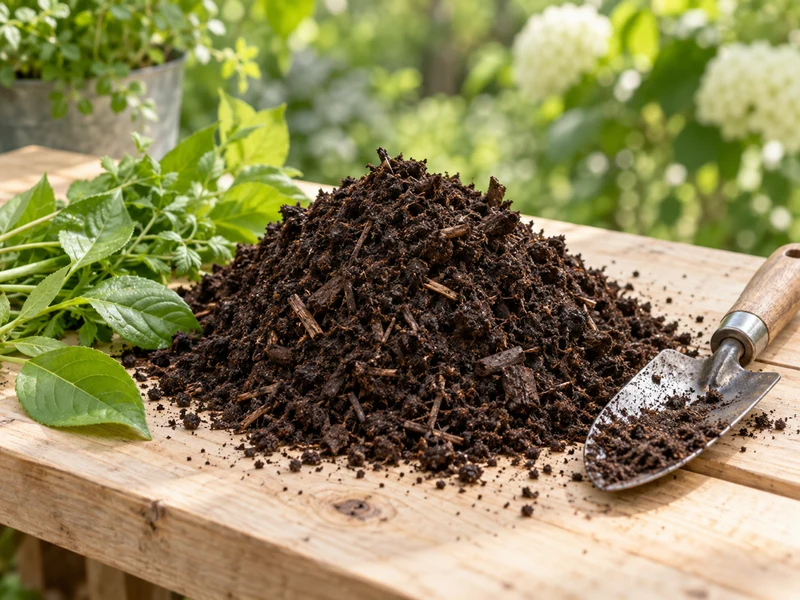
It looks like soil, but it's nutrition
Your leftovers become life for the soil, through our unit.
Collected by Reatto for sale or used in the gardens.
Part of the sales proceeds goes back to the development.
national and circular innovation
From concept to market
From proof of concept to industrial design, with a patent and validation in real conditions. Today it operates at the Celta Incubator (CERTI Foundation).