What legacy are we leaving our children?
Have you ever stopped to think about what our children's future will look like?
Many believe the best way to prepare them for life is through material assets, financial investments and a secure estate.
Others bet on knowledge, investing in quality education, exchange programs and experiences that broaden horizons.
There are also those who argue that what matters most are principles and values, passed on at home, which serve as a compass for life and for a fairer, more balanced society.

I believe in all of the options above, some more than others, but I still ask myself:
Is that enough?
The truth is that none of it will matter without a habitable planet where future generations can live full lives.
Today we see extreme weather events that, according to scientists, were only expected by 2030. But nature did not follow the statistical forecasts. The environmental impact is happening now, and we already feel its effects firsthand.
If we project forward to 2050, we face an extremely worrying scenario.
But it is not all bad news! The pandemic showed us that nature has an incredible capacity to regenerate.
The question is:
The first step toward transformation is a change in understanding.
How can we reduce the pressure on natural resources and secure a more sustainable future for our children?
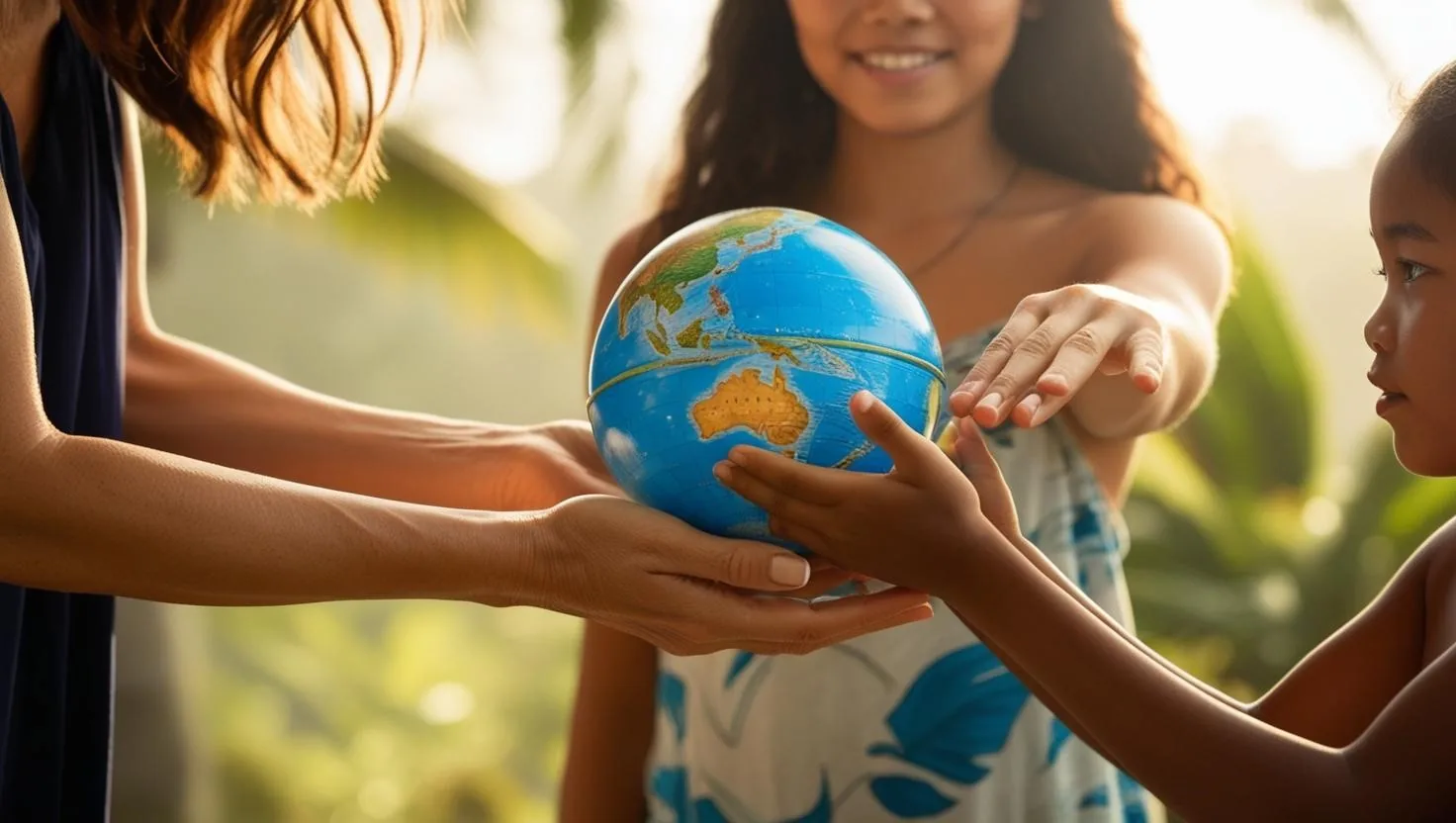
Understanding that Planet Earth is our larger HOME, and that the way we consume (water, energy, food and material goods) directly affects the balance of life on Earth – or rather, affects the home we live in – is without doubt the first step.
Some think that only governments (federal, state or municipal) can make a difference through effective public policy. Is that so?
Would you wait for government policy before deciding where to invest your money?
Why think that way when it comes to the ground we walk on and the soil our food comes from?
The truth is that each of us is a fundamental part of society's production and consumption chain. Everything produced is made by us and for us. So our choices and needs directly influence the market, which ends up adapting to what consumers want.
If we understand how essential a change in habits is to ensuring a thriving life on Earth, it will become a need to be met, and regenerative, sustainable consumption alternatives will appear faster.
It is time to wake up to this truth, take hold of the buying power we have and simply change, without fanfare. Change the product, the packaging, the store, the market, the habit, one by one, affecting not only our own lives but the lives of everyone who will live after us.
Demanding public policy is important, but it is by expanding our awareness and changing daily that we will not only do our part, but also teach our heirs how to be in this world consciously and fully.
Building habits of respect and care for nature, which is, after all, our Planetary Home.
If we want to secure a decent future for our children, we need to act today. It is not enough to educate them or provide material goods – we must deliver a habitable planet, with preserved natural resources and quality of life.
Without it, not even the best values and principles will endure.
Climate change has already begun, but there is still time to reverse the damage and build a sustainable future. And it all starts with small actions!
What can you change in your daily life to be part of this transformation? 🌍💙