Ozone layer preservation
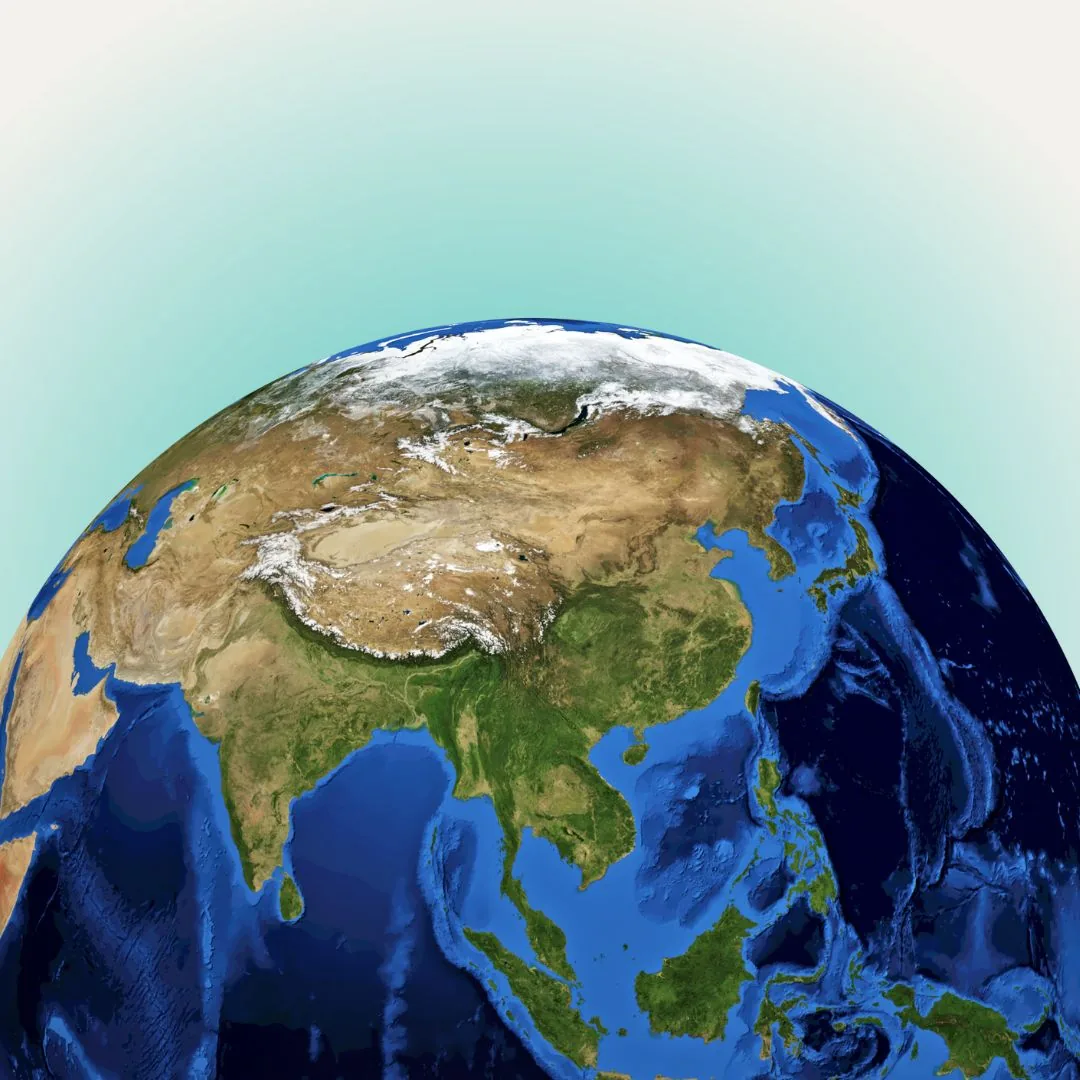
September 16 marks the International Day for the Preservation of the Ozone Layer, a date created by the UN to raise global awareness of this important and delicate natural shield that protects all life on Earth. The ozone layer is located in the stratosphere, the second atmospheric layer from the surface, and acts as a filter that absorbs most of the ultraviolet (UV-B) radiation emitted by the Sun.
In the 1970s, scientists showed that human-made chemicals found in everyday products such as aerosols, foams, refrigerators and air conditioners were damaging the ozone layer. The scale of the problem, however, was not yet known at that time.
In 1985, a hole was discovered in the ozone layer over Antarctica, showing that the natural shield against UV-B radiation had been broken. The ozone hole was one of the first global warnings that human activities could cause severe damage to the planet's environment.
Excess exposure to UV-B radiation is harmful to human health, agricultural production, terrestrial and aquatic ecosystems, and terrestrial biogeochemical cycles. Beyond its crucial role in protecting against UV rays, the state of the ozone layer has important implications for climate change and global warming.
The Montreal Protocol
In response to this problem, in 1987 the international community joined forces to adopt the Montreal Protocol, a treaty that aims to eliminate the production and consumption of substances that destroy the ozone layer. Today, more than three decades later, the Montreal Protocol is considered one of the greatest environmental successes in history, thanks to the collective action of all countries. Studies show that the ozone layer is recovering, and it is expected to return to pre-1980 levels by the middle of this century.
Ozone layer and global warming
Although ozone depletion and climate change are caused by different processes, the two phenomena interact. The recovery of the ozone layer has the potential to change atmospheric circulation patterns, directly affecting the climate. Deterioration of the layer, on the other hand, could worsen the consequences of global warming, since changes in the chemical composition of the atmosphere directly affect the exchange of energy and heat between the different atmospheric layers.
In addition, global warming can slow the full recovery of the ozone layer in certain regions. The growing emission of greenhouse gases, such as carbon dioxide, affects atmospheric dynamics, especially in the stratosphere, where the ozone layer is found. In the end, this can prolong Earth's vulnerability to the harmful effects of UV radiation.
Global and local action for sustainability
While the Montreal Protocol was a major step forward, tackling climate change requires continuous, global effort. Just as we brought the world together to save the ozone layer, we need similar efforts to reduce greenhouse gas emissions, fight deforestation and promote renewable energy sources.
At Reatto, we stay focused on sustainability and environmental protection. Our solution reduces methane emissions by keeping organic waste out of landfills and open dumps. Adopting cleaner technologies and supporting recycling programs help mitigate climate change and preserve the atmospheric balance that protects life on Earth.
The International Day for the Preservation of the Ozone Layer reminds us of what humanity can achieve when it unites around an environmental cause. The fight against ozone depletion is a valuable lesson for facing the challenges of climate change and global warming. Protecting our planet takes collective action and a transition to a more sustainable future.
Written by >Daniel Simão, environmental engineer (EESC-USP), researcher and master's degree holder in Environmental Engineering from UFSC, with specialization in Contaminated Land Management, Sustainable Urban Development and Brownfield Revitalization from the Polytechnic School of USP.