What does your trash have to do with climate change?

Understand the current link and what to do to create a different future!
According to the >World Meteorological Organization (WMO) report, the last 8 years were the hottest in human history. Sea level rise and ocean warming have also reached new levels, bringing more droughts, floods and heat waves. These consequences threaten lives and livelihoods. They are only some of the results observed from climate change.
And do you know why this is happening?
In part, because of our trash. Surprised?
That's right. The trash we produce every day has a significant impact on the environment. It is closely tied to the climate change we face now and will face in the coming years. Waste disposal, especially when done improperly, is one of the main causes of environmental problems, including climate change. When trash is sent to landfills or incinerated, greenhouse gases are released into the atmosphere and contribute to global warming. In addition, the decomposition of organic waste in landfills produces methane, a gas with a much higher global warming potential than carbon dioxide.
These factors are deeply concerning. According to >Lar Plásticos, Brazil produces about 192,000 tons of trash every day. More than 40% of it still has no proper disposal.
So how can we use trash to ease the impact on climate change?
Proper waste separation is essential to reduce this environmental impact. It makes recycling and proper treatment of each type of waste easier, and it allows for more efficient management of these materials. We cover this topic in more detail in another post on our site. Check it out by clicking here.
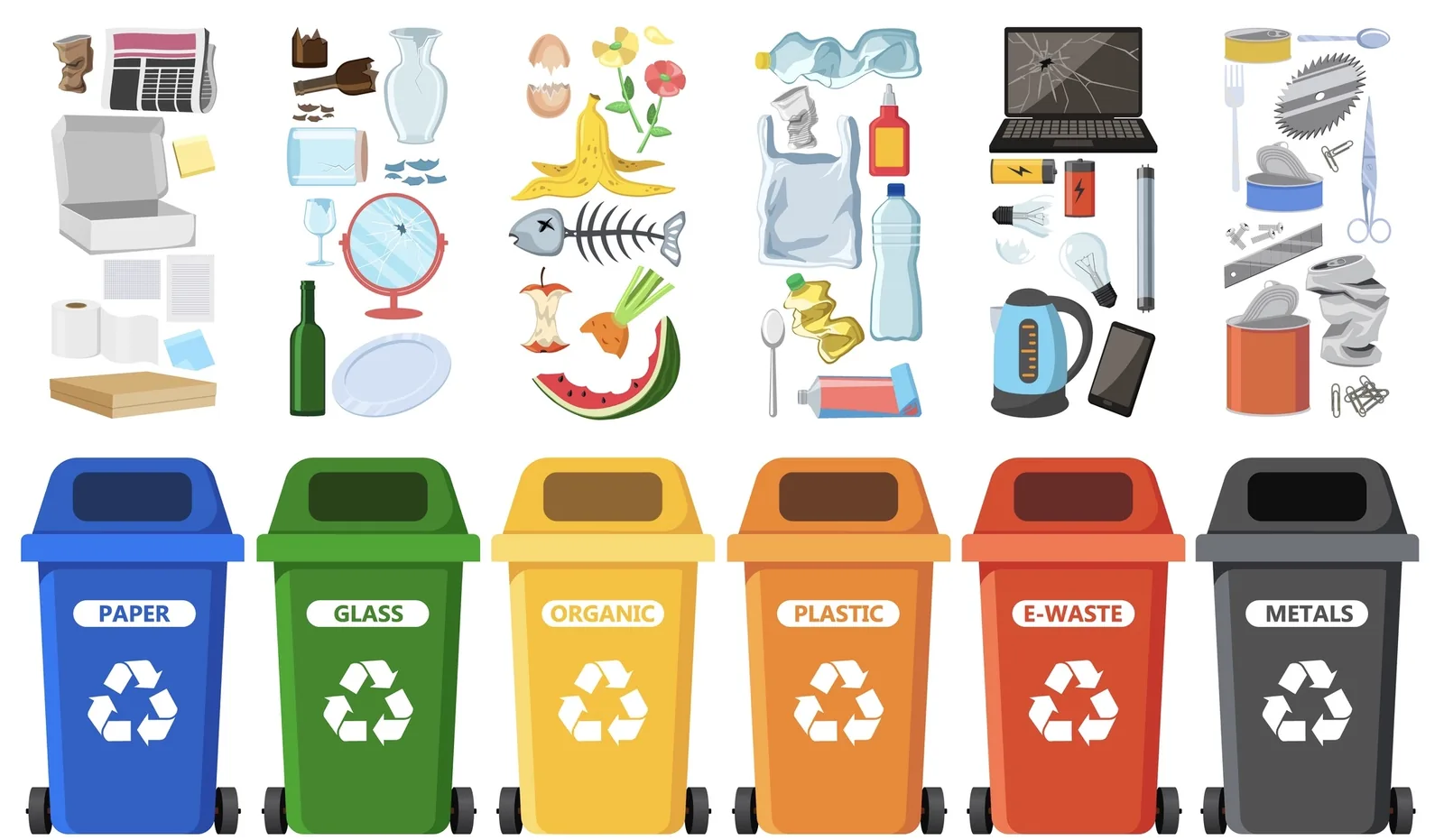
Beyond separation, recycling is one of the most efficient ways to deal with trash and reduce its impact on the climate. By recycling materials such as paper, plastic and metal, we save energy and natural resources and avoid extracting virgin raw materials. Recycling also reduces the amount of trash sent to landfills, which cuts the release of greenhouse gases.
Besides recycling, there are other ways to reuse waste, some of which even increase its added value. For example, paper, plastic and glass can become raw material for another product through advanced recycling processes. Other materials can go through upcycling and gain new uses.
Recycled paper, for example, can be used to make new products such as packaging and toilet paper. Recycled plastic can become parts for the automotive industry, furniture and even new plastic packaging.

These recycling and reuse activities not only reduce the amount of trash discarded into the environment. They also avoid the greenhouse gas emissions associated with producing virgin materials.
The link between the trash we produce and climate change is clear and significant. Improper waste disposal releases greenhouse gases into the atmosphere, worsening global warming and its negative effects. However, by separating waste correctly and seeking recycling and reuse alternatives, we can significantly reduce the environmental impact of trash.
Of course, these actions are only some of the many things we can and should do for a sustainable world. We are already suffering the consequences of past years, so we must always look for improvements.
If you still have questions about the article, check the quick answers below 👇🏻
How does trash affect the climate?
Trash contributes to global warming by releasing greenhouse gases, such as methane and carbon dioxide, during decomposition and incineration.
Does recycling really make a difference?
Yes. Recycling is an effective way to reduce the environmental impact of trash. It saves energy, reduces the extraction of natural resources and avoids the release of greenhouse gases.
What are the benefits of separating waste?
Proper waste separation makes recycling and proper treatment of each type of material easier. It reduces environmental impact and promotes sustainability.
What are the ways to reuse waste?
Waste can be reused through advanced recycling, which turns materials such as paper, plastic and glass into new products and reduces the need to produce virgin materials.
What can I do to help reduce the climate impact of waste?
Besides separating your waste correctly, you can choose recycled products, cut back on disposable items, and raise awareness about the importance of proper waste management.
To keep up with new content about the environment, composting, business, and sustainable partnerships, follow us on >social media.
Main image source: Ake Ngiamsanguan